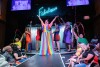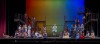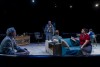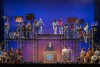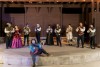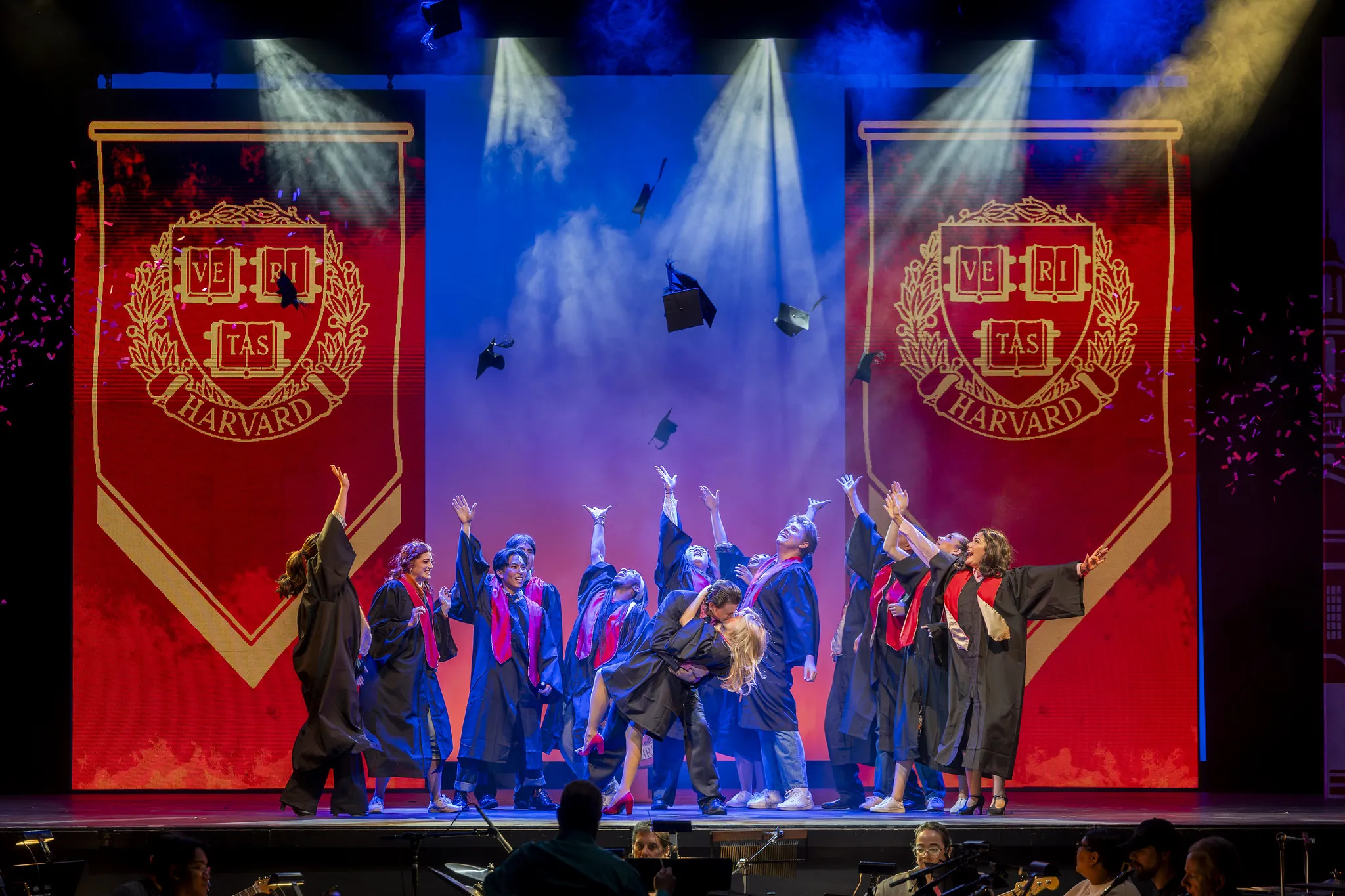
There is no subtle way to stage Legally Blonde: The Musical. It lives in bright pinks, heightened emotion, and a world where characters move just a little faster, feel just a little bigger, and express themselves through choreography as much as dialogue. Riverside City College’s production, directed by Jodi Julian, understands that fully, leaning into the show’s stylized energy while still grounding it in performances that feel intentional rather than exaggerated. The result is a production that is, in the best sense of the word, cute, but never shallow.
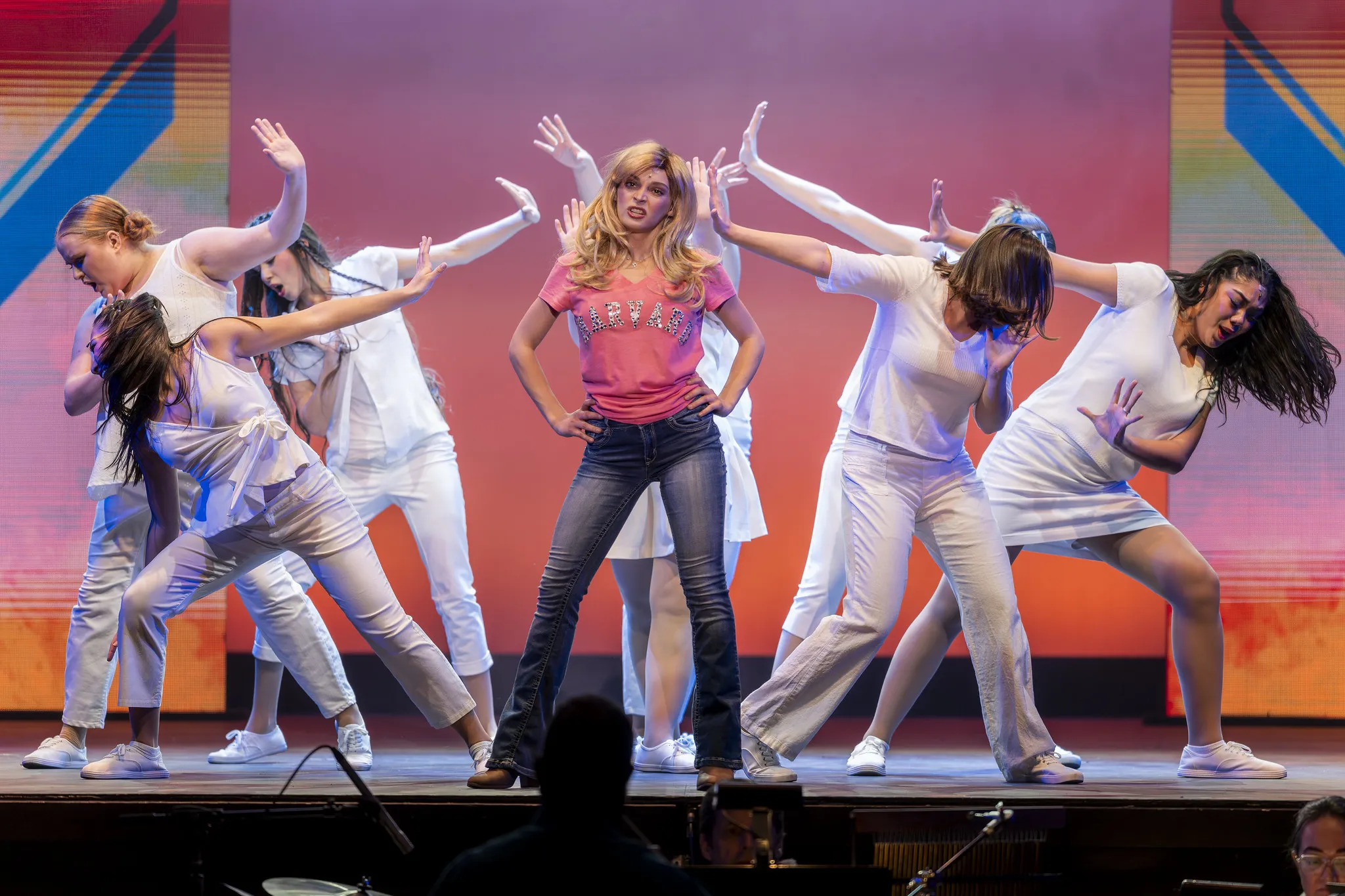
At the center of it all, Bree Nielson’s Elle Woods carries the show with a balance that is harder to achieve than it looks. Elle only works if she never becomes the joke, and Nielson avoids that trap by letting the character’s intelligence surface naturally within the whimsy. Her Elle is bright and expressive, but there is always a sense that she understands more than others assume, and that awareness gives the performance weight. When the show asks her to shift from charm to determination, the transition feels intrinsic rather than revealed, anchoring the entire production.
 Stephen Day
Carter Friedhof’s Emmett Forrest provides a necessary counterbalance, bringing a warmth and sincerity that cuts through the show’s status-driven world. Emmett is one of the few characters not performing for approval, and Friedhof leans into that authenticity without overplaying it. His presence feels steady and genuine, allowing the relationship between Emmett and Elle to develop as something grounded amid the heightened reality around them.
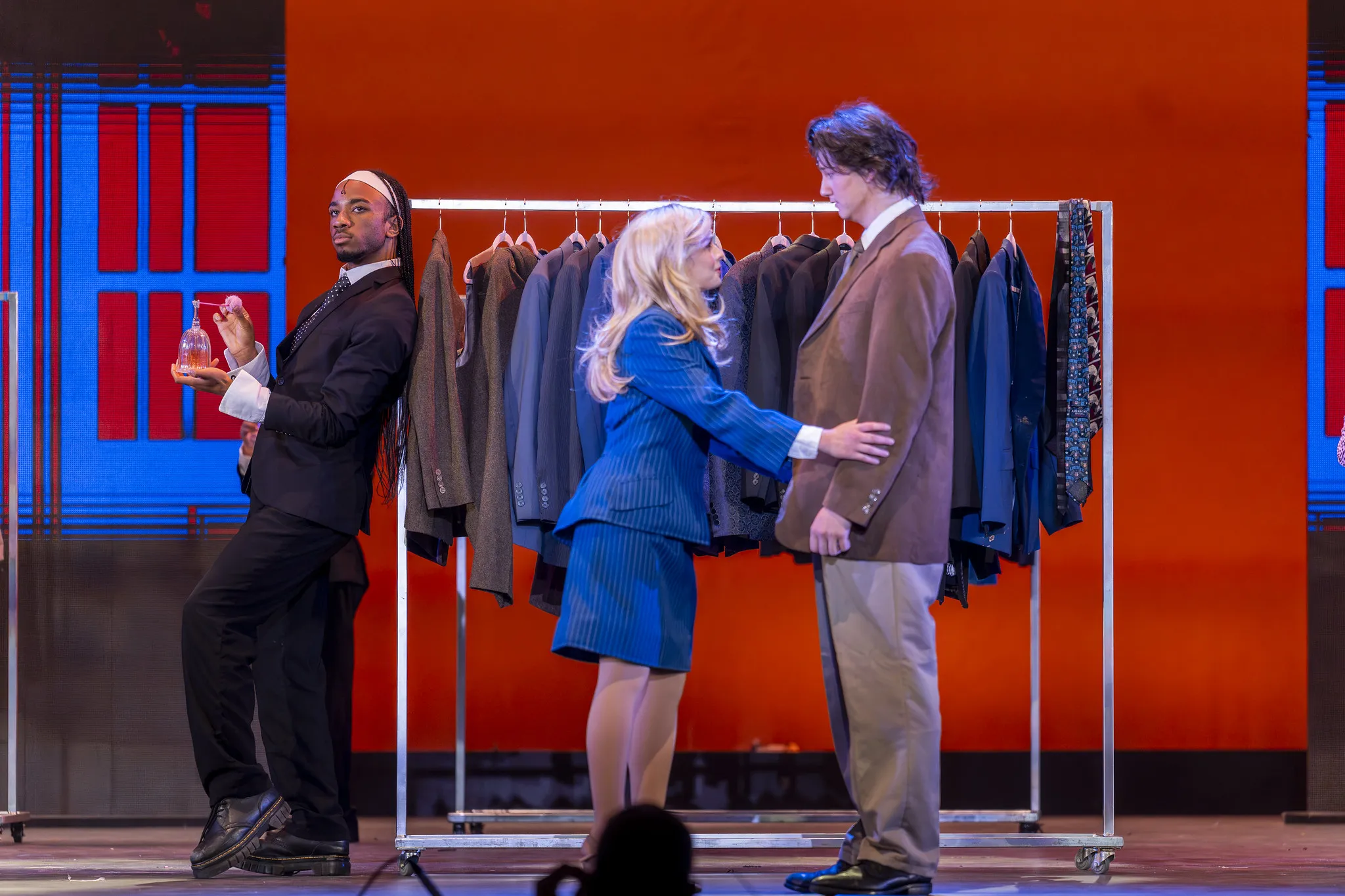 Stephen Day
El Friedhof’s Warner Huntington III avoids the easy route of playing the character as simply indecisive or shallow. Instead, his performance reads as someone who is actively chasing what he believes success is supposed to look like, even when it means overlooking what actually matters. That distinction makes Warner more frustrating and more believable, particularly in moments where his treatment of Elle reveals just how transactional his worldview has become.
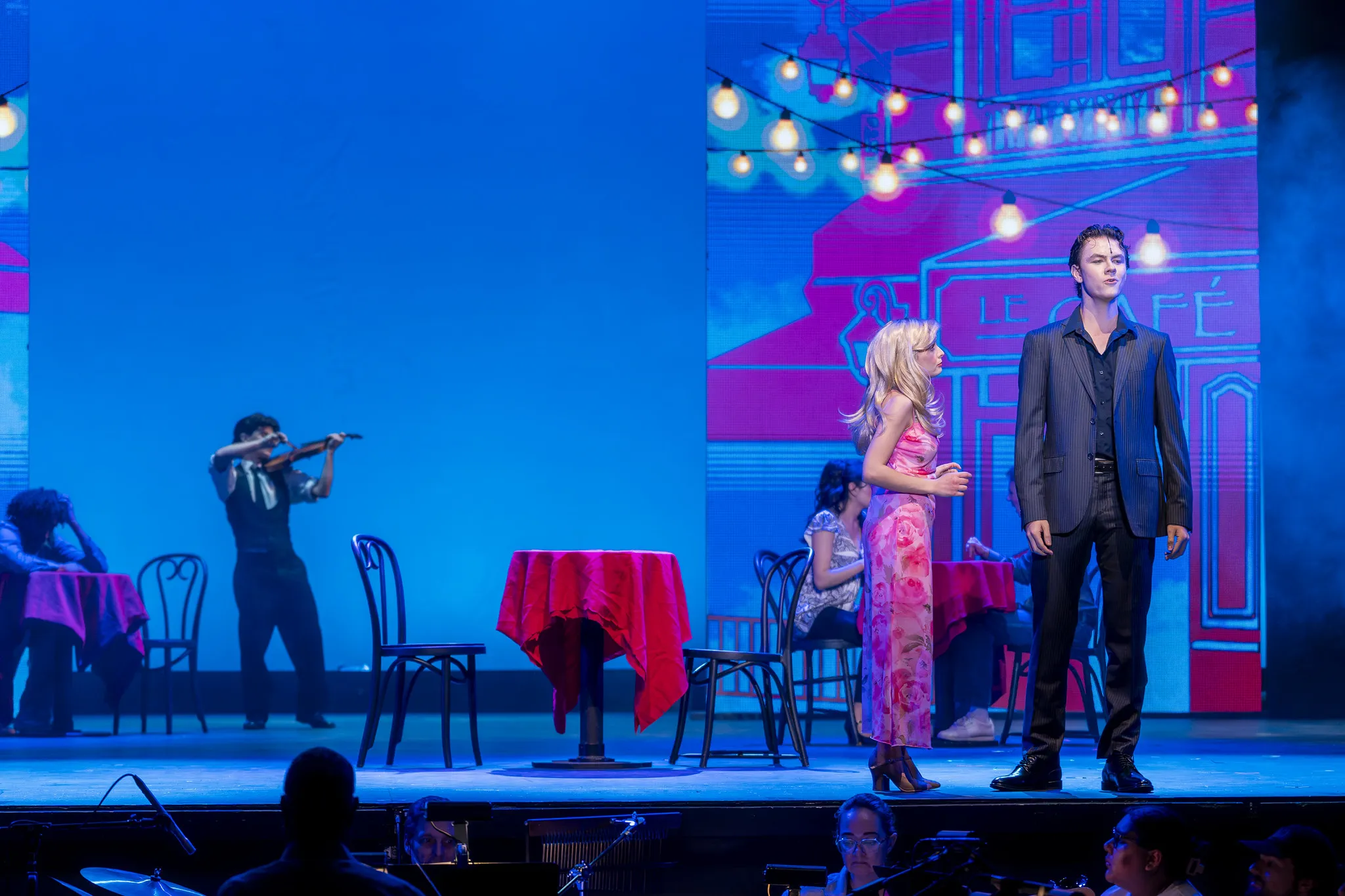 Stephen Day
That dynamic becomes especially important in Bella Ramirez’s portrayal of Vivienne Kensington, which stands out for how carefully it builds over time. Rather than presenting a sudden shift from antagonist to ally, Ramirez seeds the transition early. Small moments, particularly in her reactions to Warner, suggest a growing discomfort with his behavior long before she openly supports Elle. By the time she steps forward in the courtroom, the moment lands as a natural progression rather than a narrative convenience, adding a layer of complexity that strengthens the second act.
 Stephen Day
Marina Garrison’s Paulette Buonufonte brings a different kind of energy to the production, one rooted less in polish and more in openness. In a show where so many characters are carefully managing how they are perceived, Paulette exists without that filter, and Garrison leans into that lack of pretense. The performance never reduces the character to a joke, instead allowing her humor and vulnerability to coexist, making her one of the more human presences on stage.
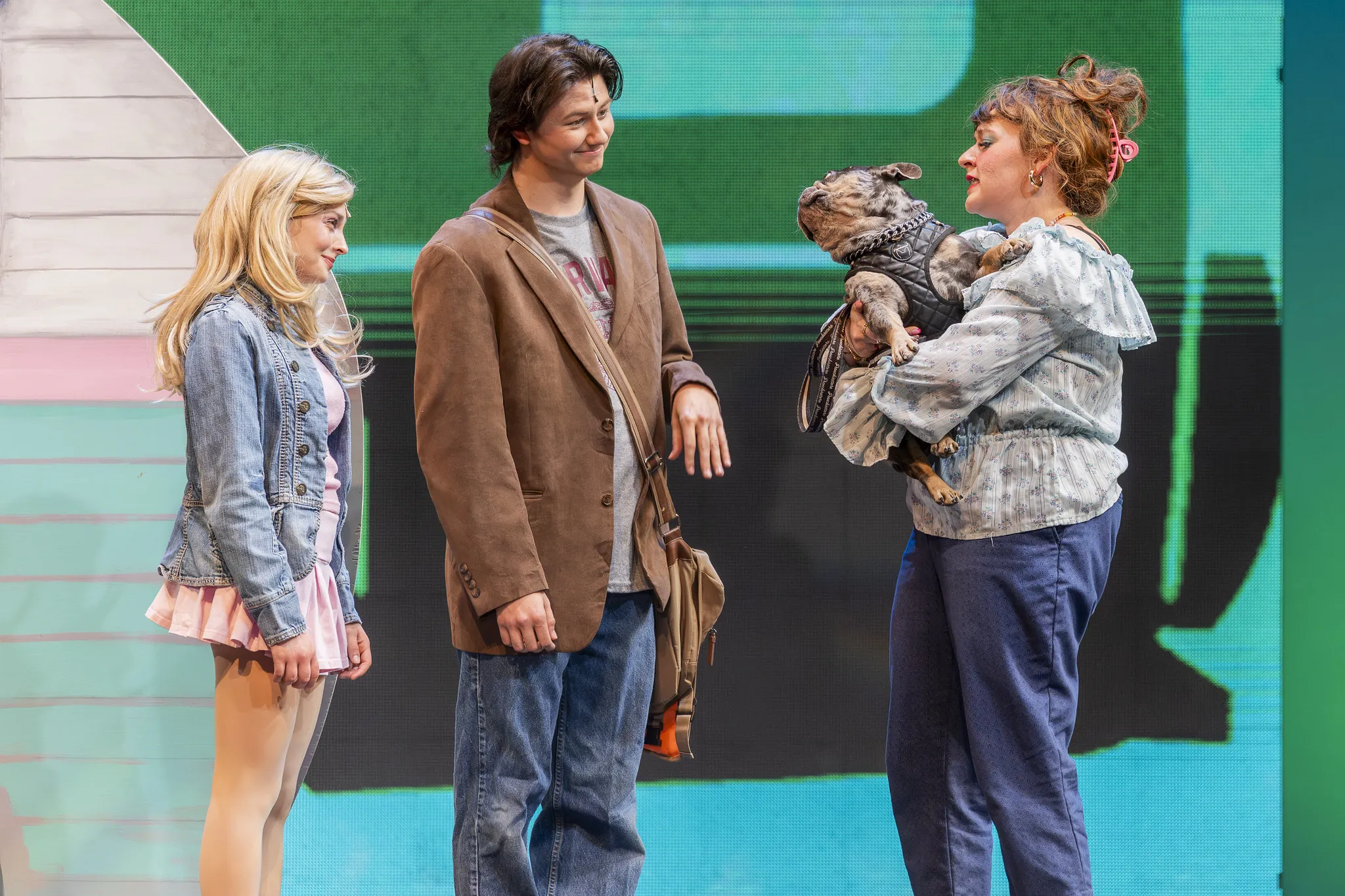 Stephen Day
And, of course, the undeniable scene stealers of the evening are the dogs. Bruiser and Rufus, played by Winnie Nielson and Nini Rivera, draw immediate attention every time they appear. In a production built on heightened theatricality, their presence cuts through the artifice in the best way possible. They are, quite simply, adorable, and the audience knows it.
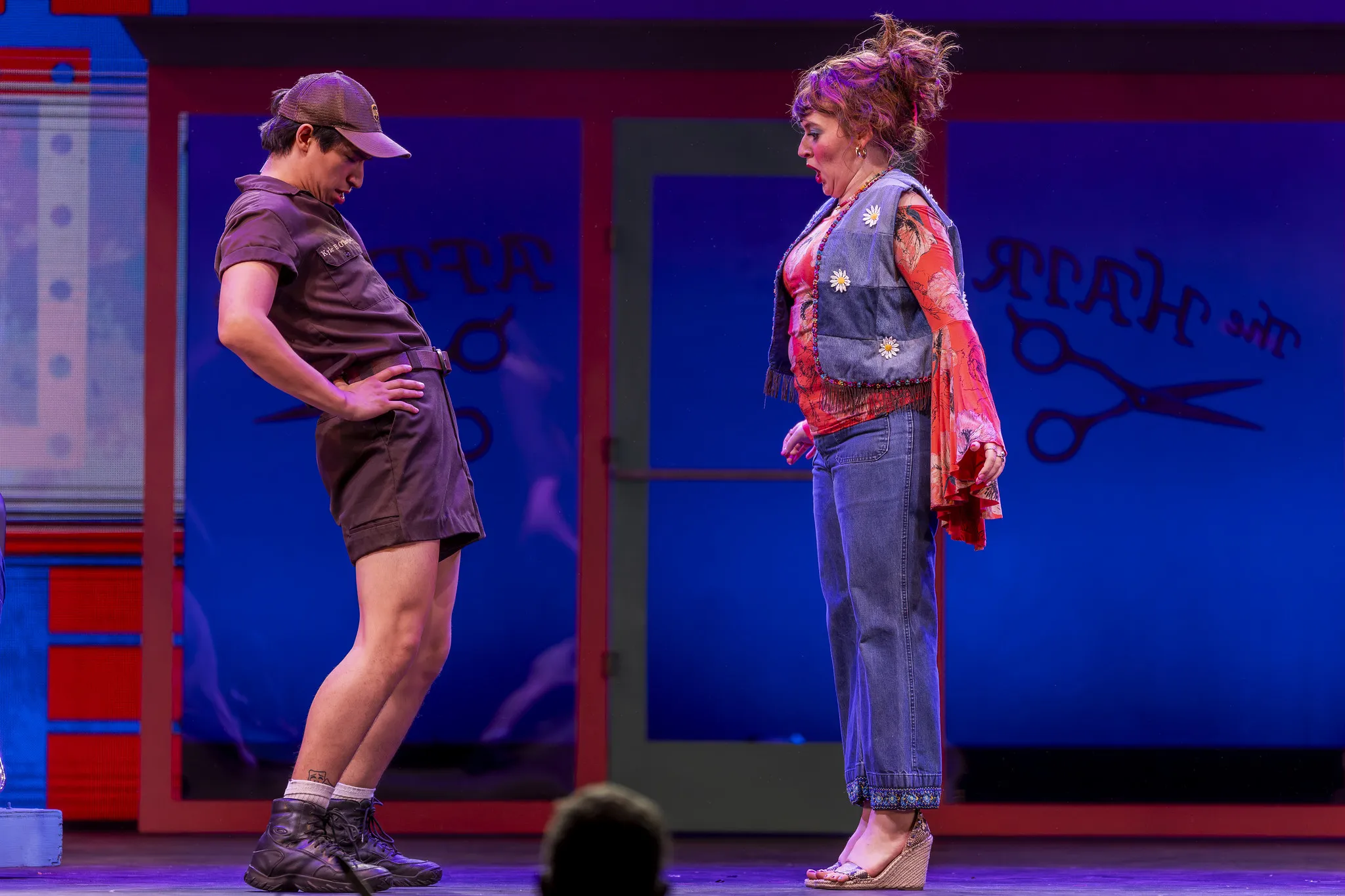 Stephen Day
What ultimately makes this production work is its understanding of tone. Riverside City College’s Legally Blonde embraces the show’s vibrant, exaggerated world while ensuring that the characters within it remain grounded enough for the story to matter. It is a balance that not every production finds, but here it is handled with care, resulting in a performance that is both playful and thoughtfully constructed.